

About
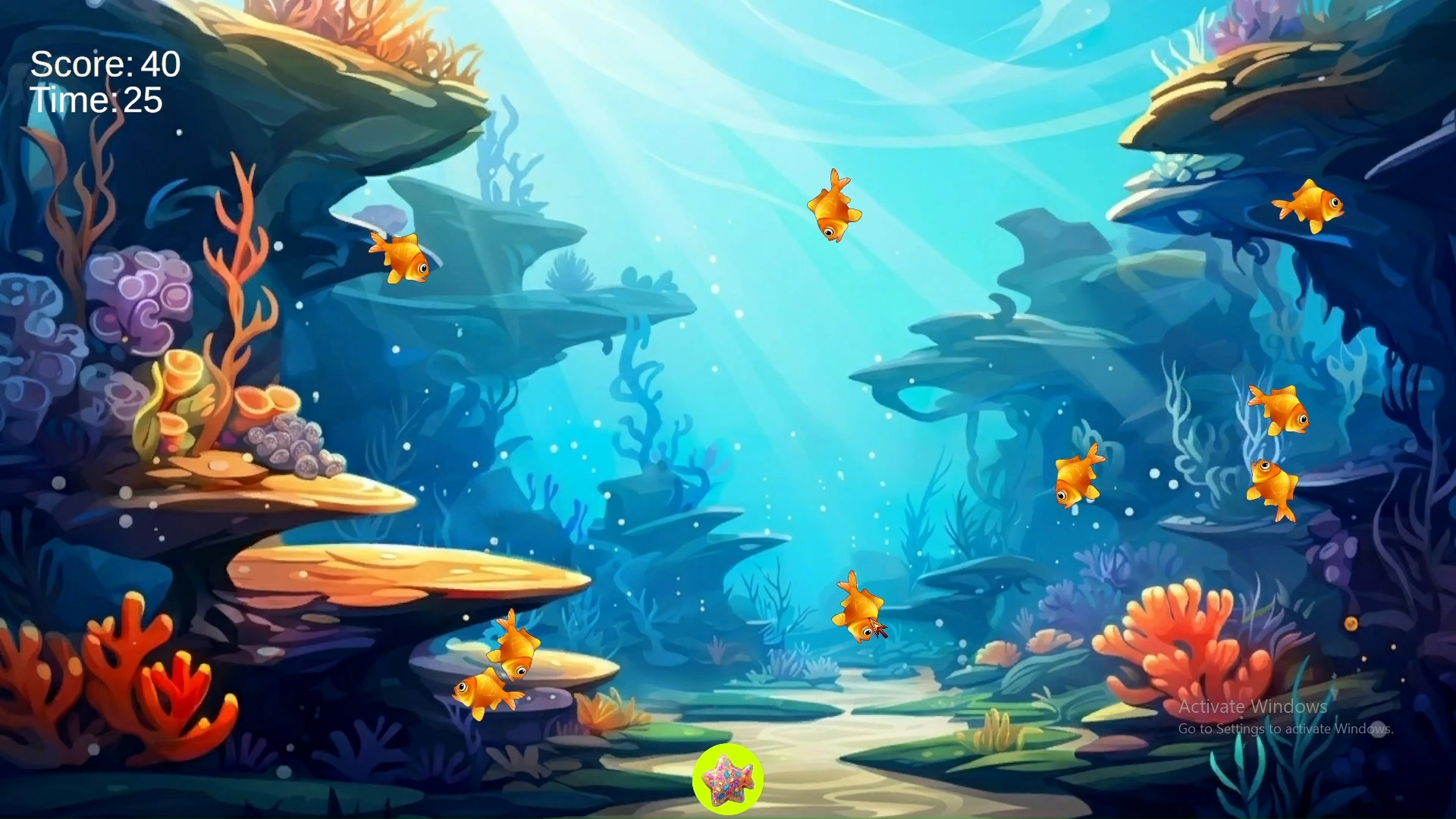
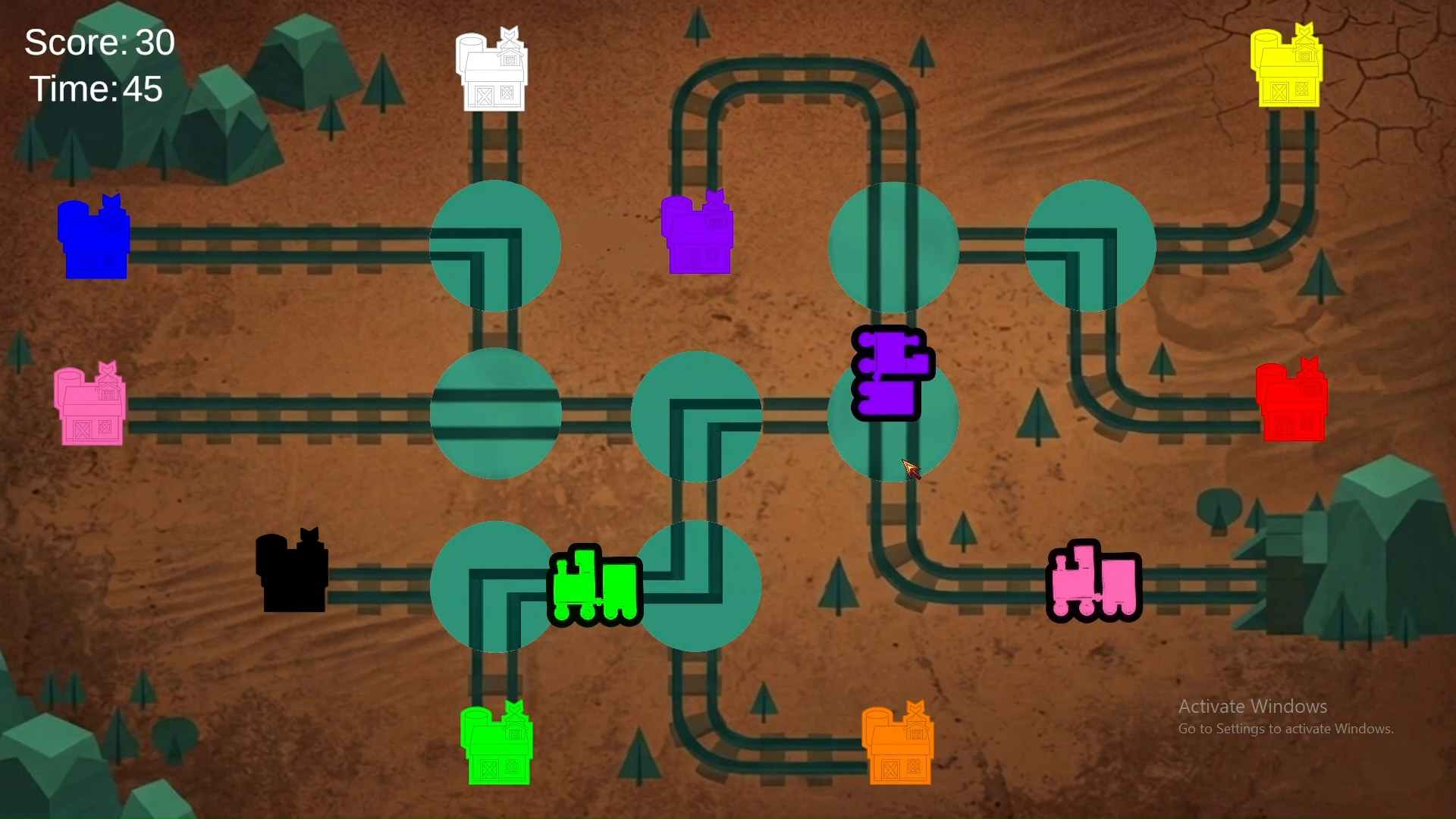
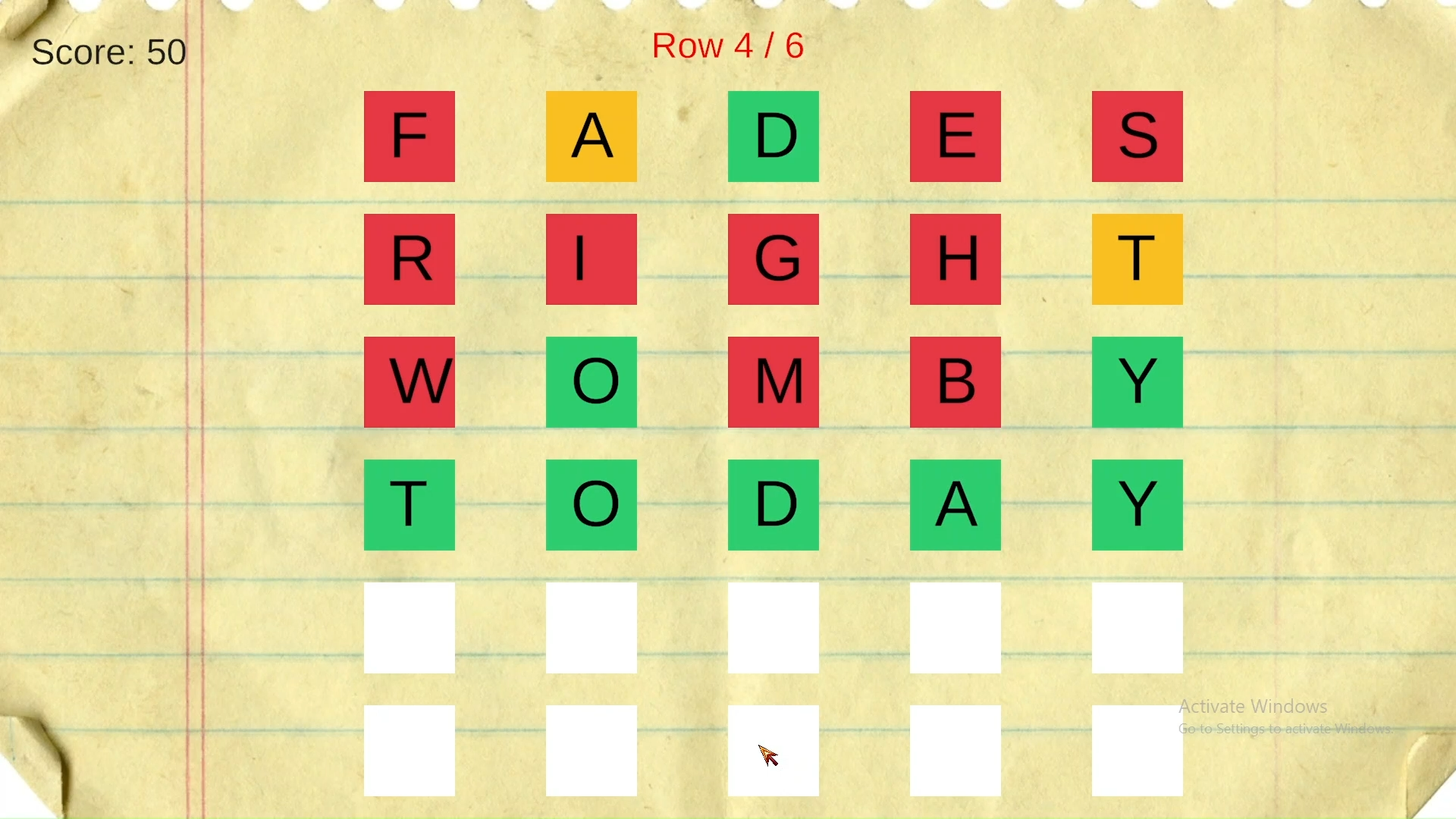
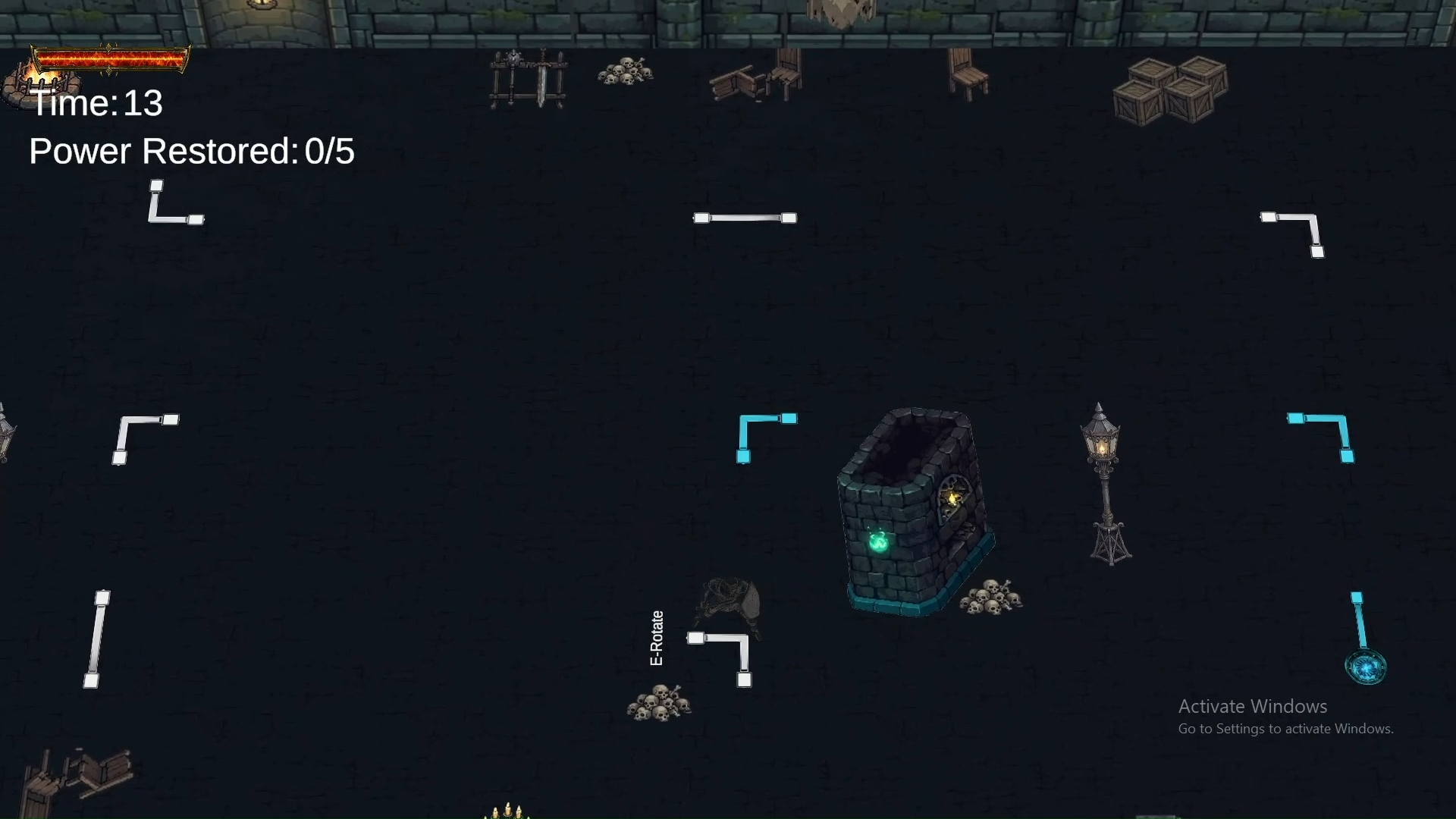
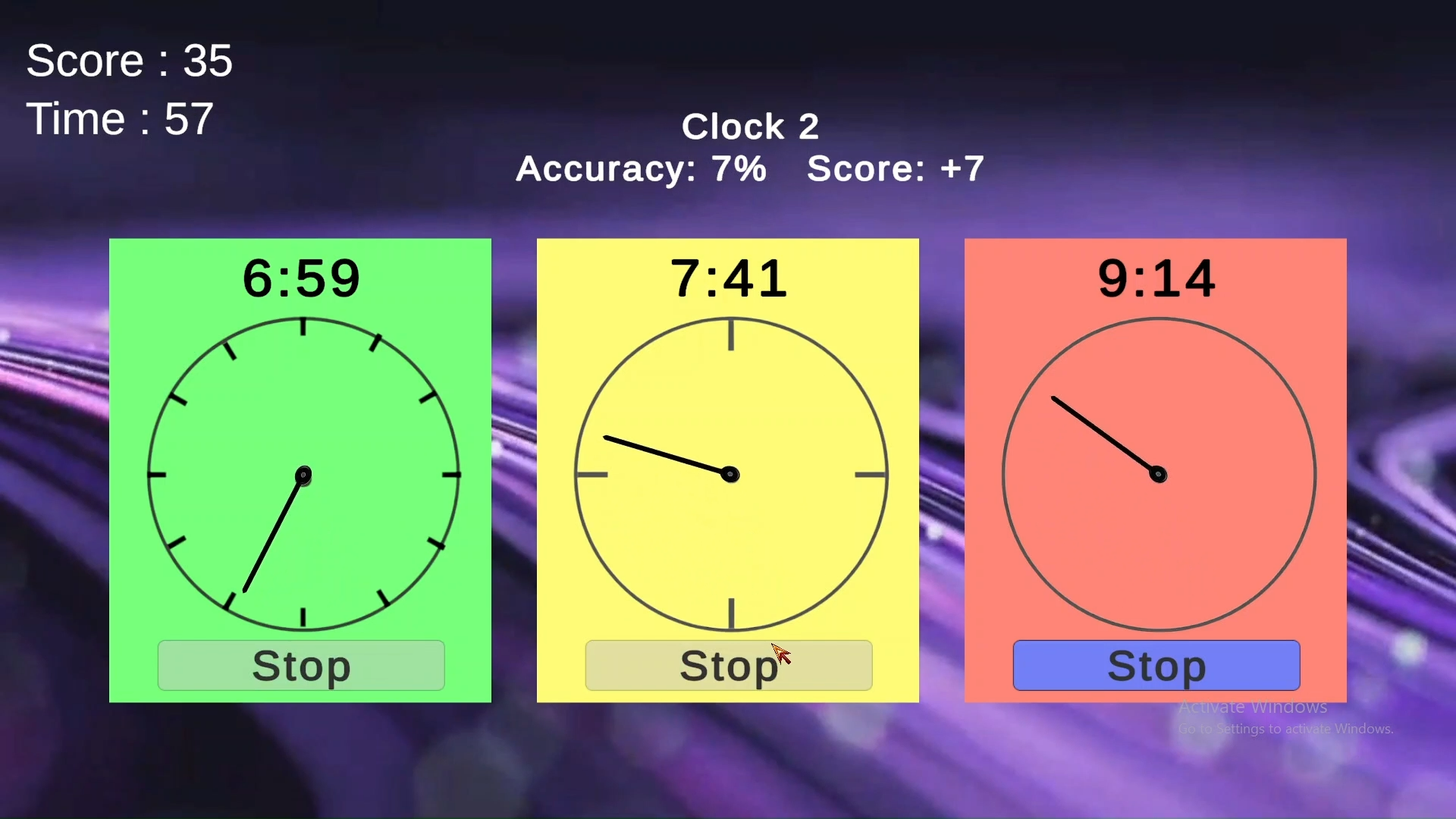
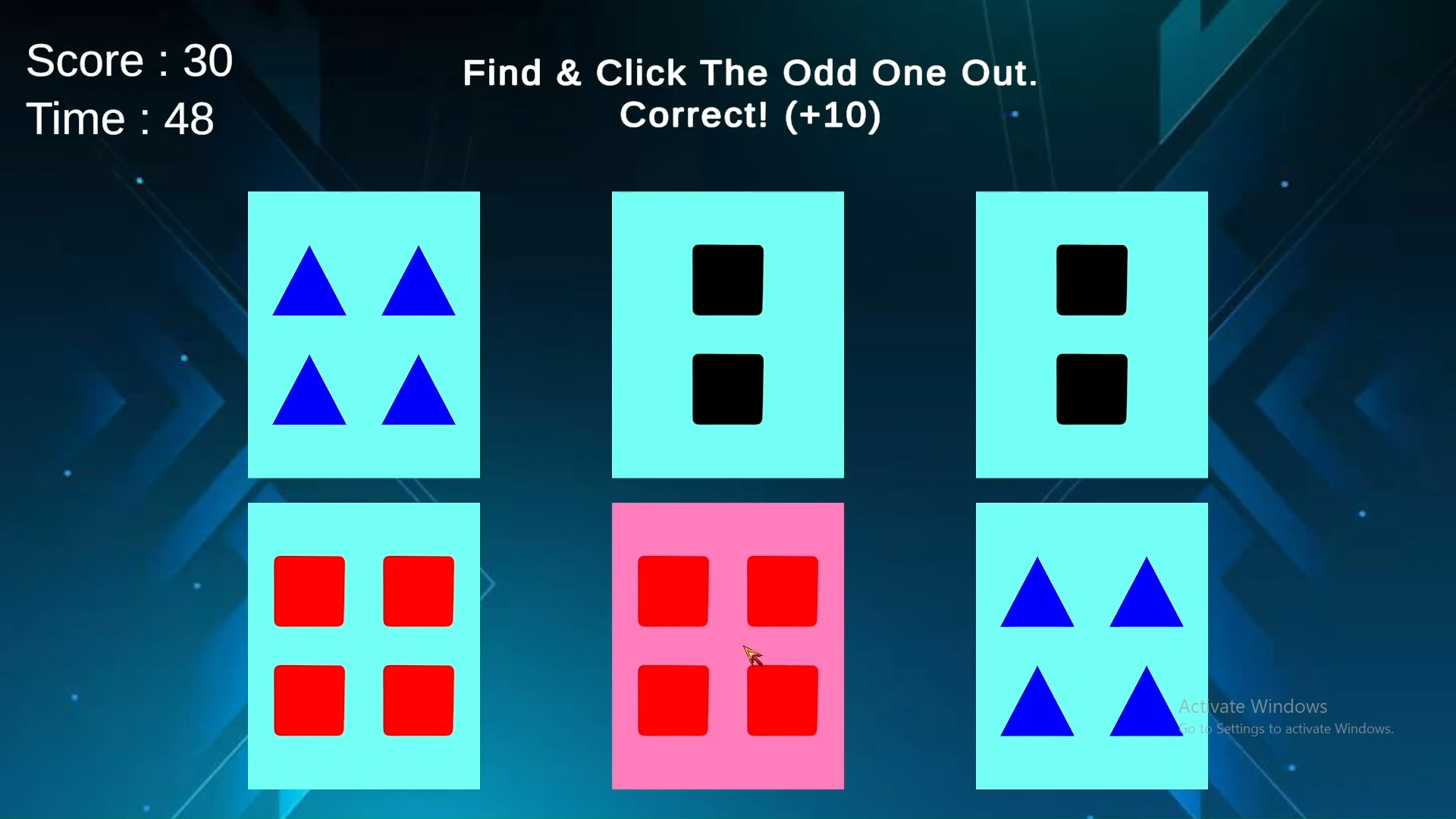
MindGrind is a cognitive strategy game developed in Unity, combining a story-driven progression mode with a broad collection of standalone minigames designed to challenge and evaluate key cognitive abilities such as attention, memory, reflex, perception, reasoning, and learning. The main game is structured across five levels, each introducing a different gameplay concept ranging from combat survival and box-memory challenges to rhyme-password deduction, directional remapping, and circuit restoration puzzles. Alongside this, the game features twenty minigames with varied mechanics including reaction-based clicking, sequence recall, word construction, object recognition, audio-visual matching, and pattern analysis. MindGrind is developed for academic research to study human cognition and performance; gameplay performance data collected during sessions is used solely for anonymized research analysis and cannot be used to identify or track any individual player.
Screenshots
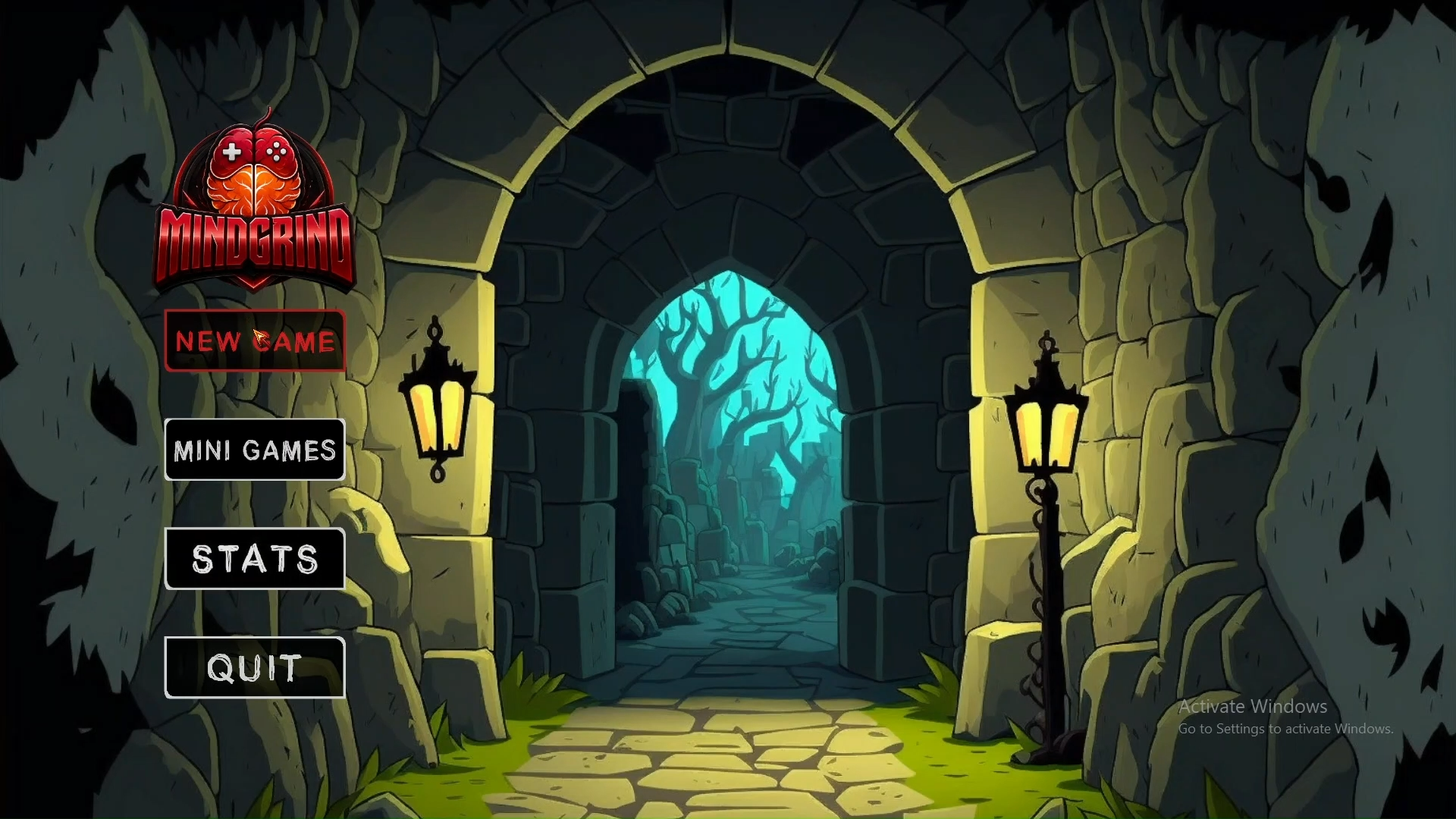
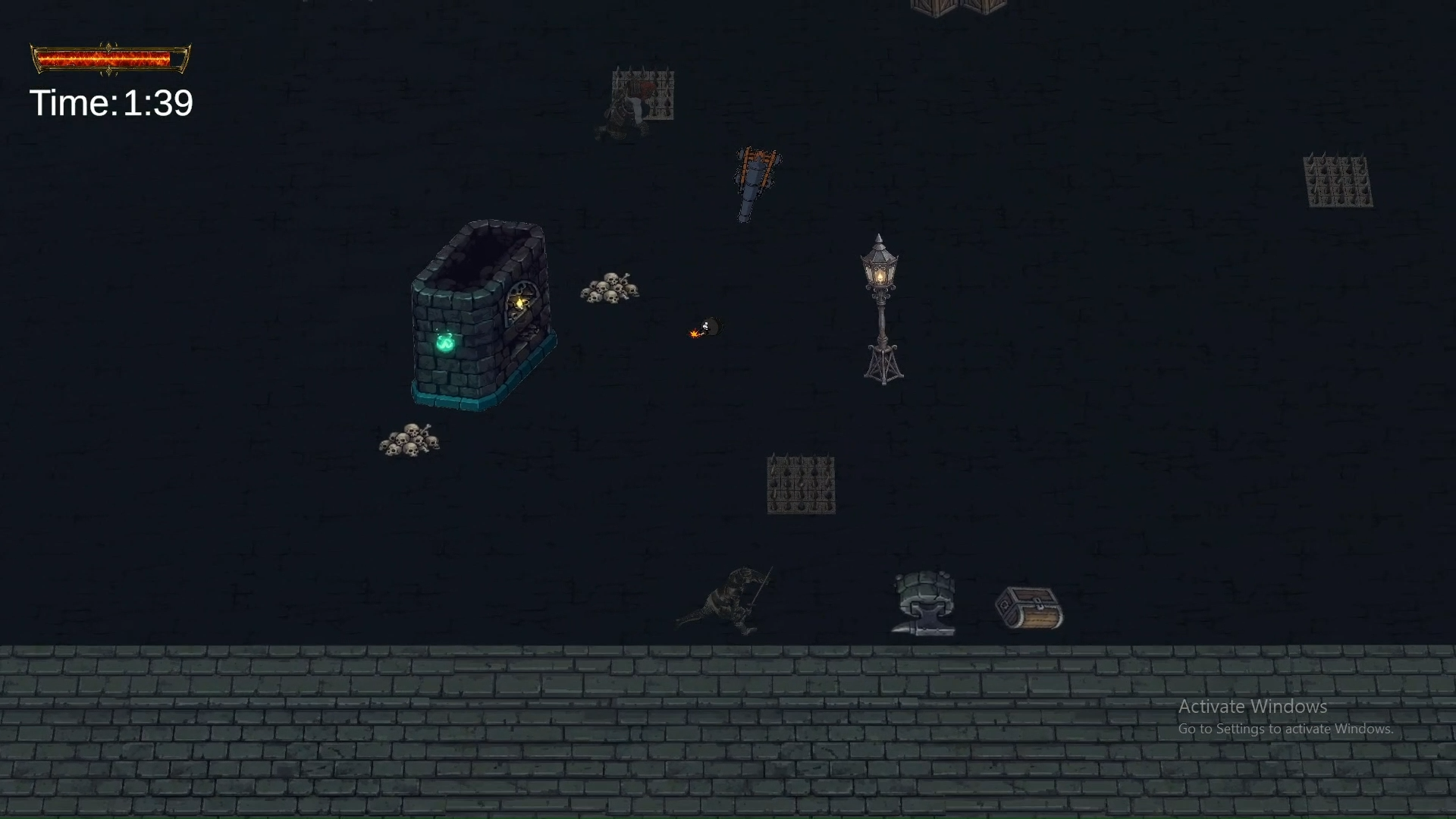
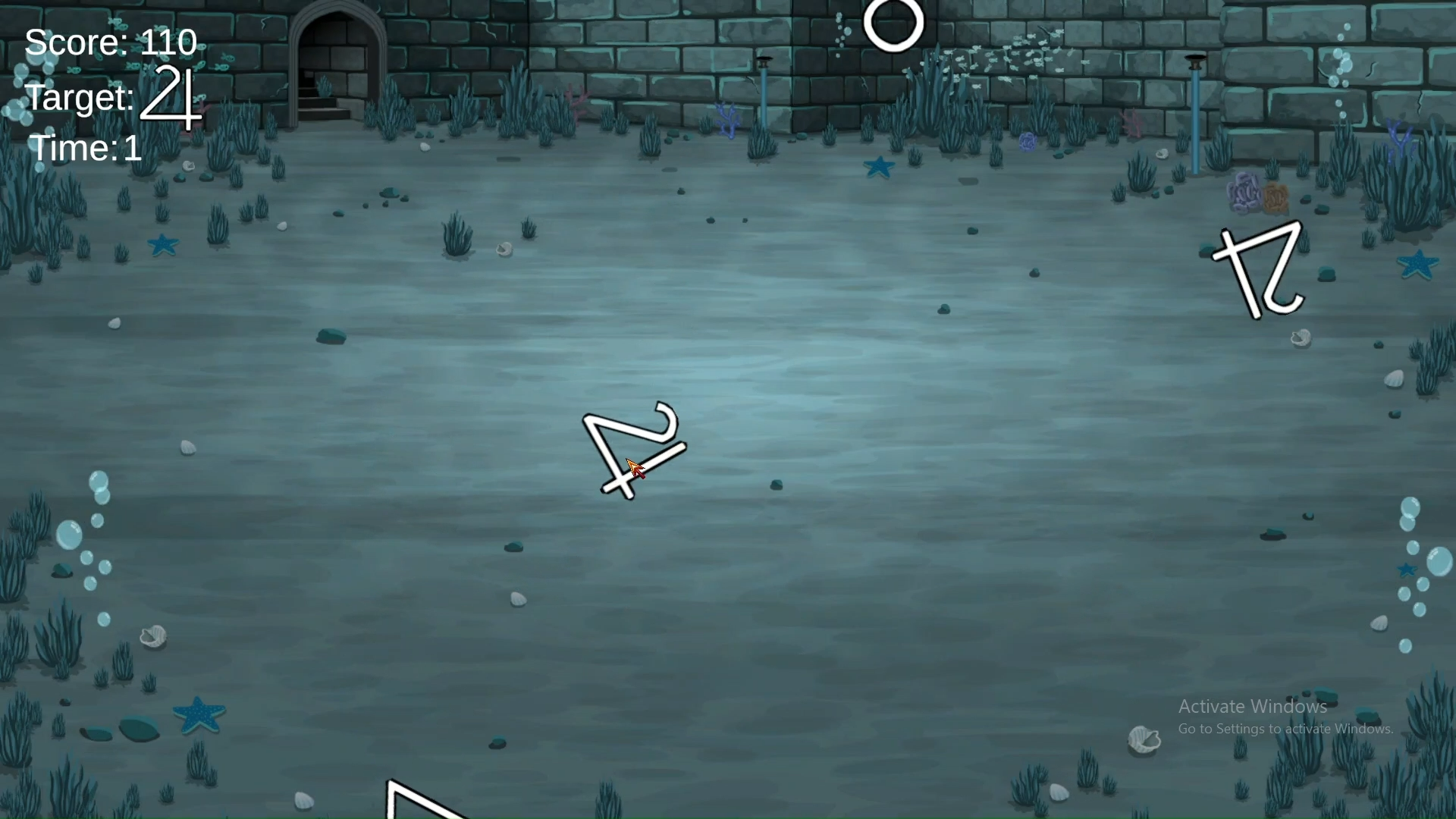
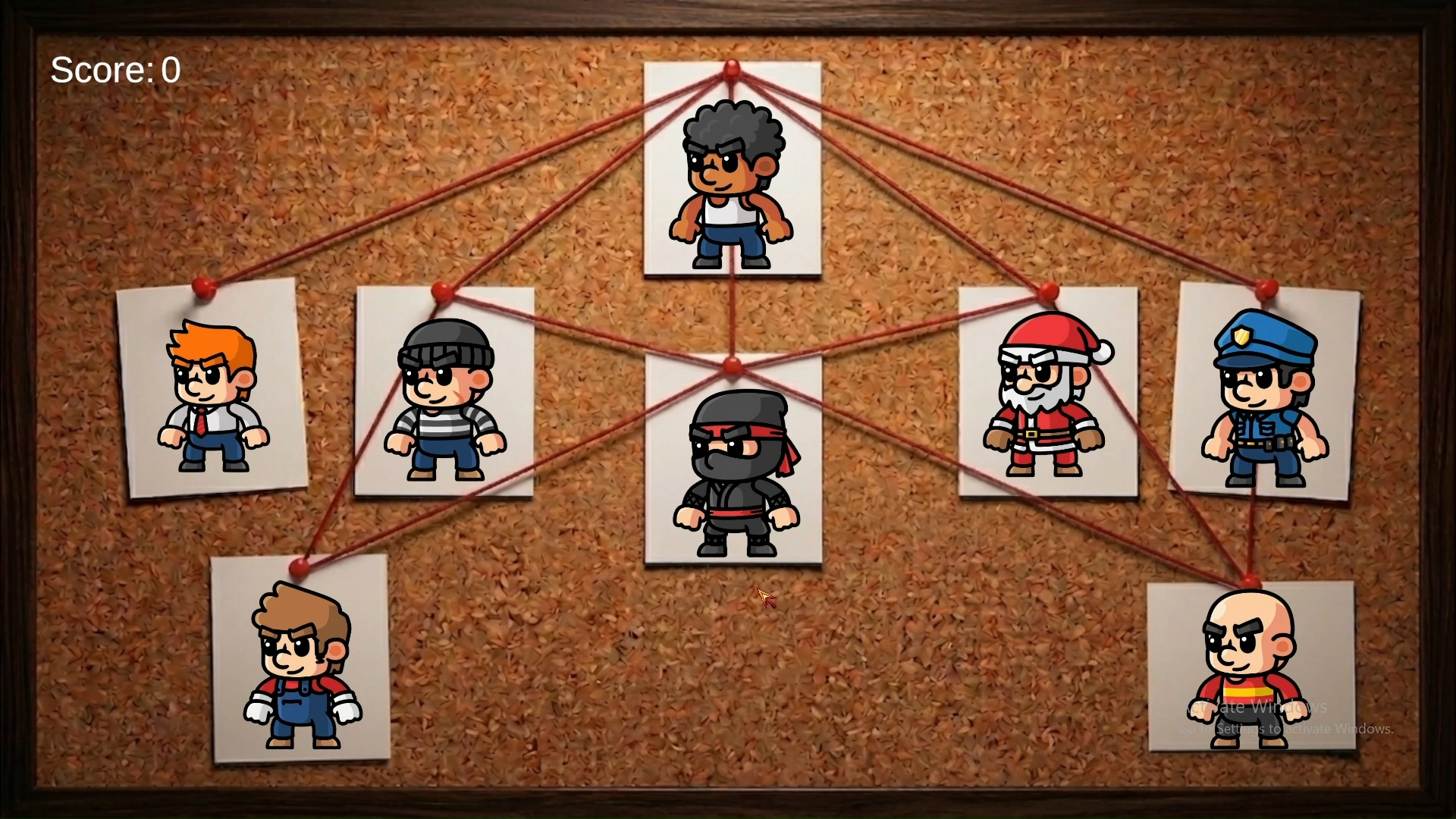
My Contributions
As a core developer on MindGrind, I worked on the implementation of gameplay systems, progression flow, cognitive minigames, scoring logic, and persistence across the project.
Gameplay Systems & Cognitive Design
Designed and implemented a hybrid game structure combining a story-driven main game with a large set of standalone cognitive minigames
Built gameplay systems targeting multiple cognitive skills including attention, memory, reflex, perception, reasoning, and learning
Developed both point-based and time-based challenge structures to support different gameplay and evaluation styles
Created varied interaction models across action, puzzle, pattern recognition, memory recall, reaction, and logic-based challenges
Main Game, Level Flow & Progression
Structured the main progression into five core levels, each centered on distinct mechanics such as combat survival, box-memory challenges, rhyme-password deduction, directional remapping, and circuit restoration puzzles
Implemented story mode flow between levels, in-scene briefing panels, pause handling, restart logic, and scene transitions
Built progression logic that connects the menu, story mode, and standalone minigame selection into a single unified gameplay framework
Designed level completion systems based on performance tracking, gate unlocking, and scene-driven advancement
Minigame Architecture & Scoring Systems
Implemented a metadata-driven minigame architecture where each game is identified by ID, title, description, target cognitive attributes, and linked scene data
Built and integrated twenty minigames with distinct mechanics, including reaction games, memory tests, word and sequence challenges, perception exercises, and reasoning-based puzzles
Developed centralized scoring systems for storing best score, average score, total score, and play count across all games
Supported both score-maximization and time-minimization models, allowing the same analytics pipeline to evaluate arcade-style minigames and story levels
Data Persistence & Player Profiling
Implemented local persistence using PlayerPrefs for fast storage of gameplay metrics such as best scores, averages, play counts, and derived cognitive category values
Developed a JSON-based player profile system to store personal information and long-term gameplay statistics in a structured format
Built synchronization logic that transfers runtime statistics into a persistent analytics profile after each completed game
UI, UX & Feedback Systems
Designed and implemented UI systems for registration flow, welcome screens, pause menus, game-over panels, level briefing overlays, and result displays
Built descriptive menu panels showing minigame information, target cognitive skills, best performance, and average performance
Improved player readability through clear score, timer, prompt, and progression feedback across both story levels and standalone minigames
Created a unified post-game feedback loop so results, progression, and cognitive summaries remain visible and understandable to players
Technical Implementation
Developed the project in Unity using C# with a scene-based architecture and reusable manager-driven gameplay systems
Used Unity's new Input System for gameplay controls and click/tap interactions instead of legacy input handling
Organized systems around MonoBehaviour update loops, coroutines, scene events, and modular controllers for maintainable implementation